


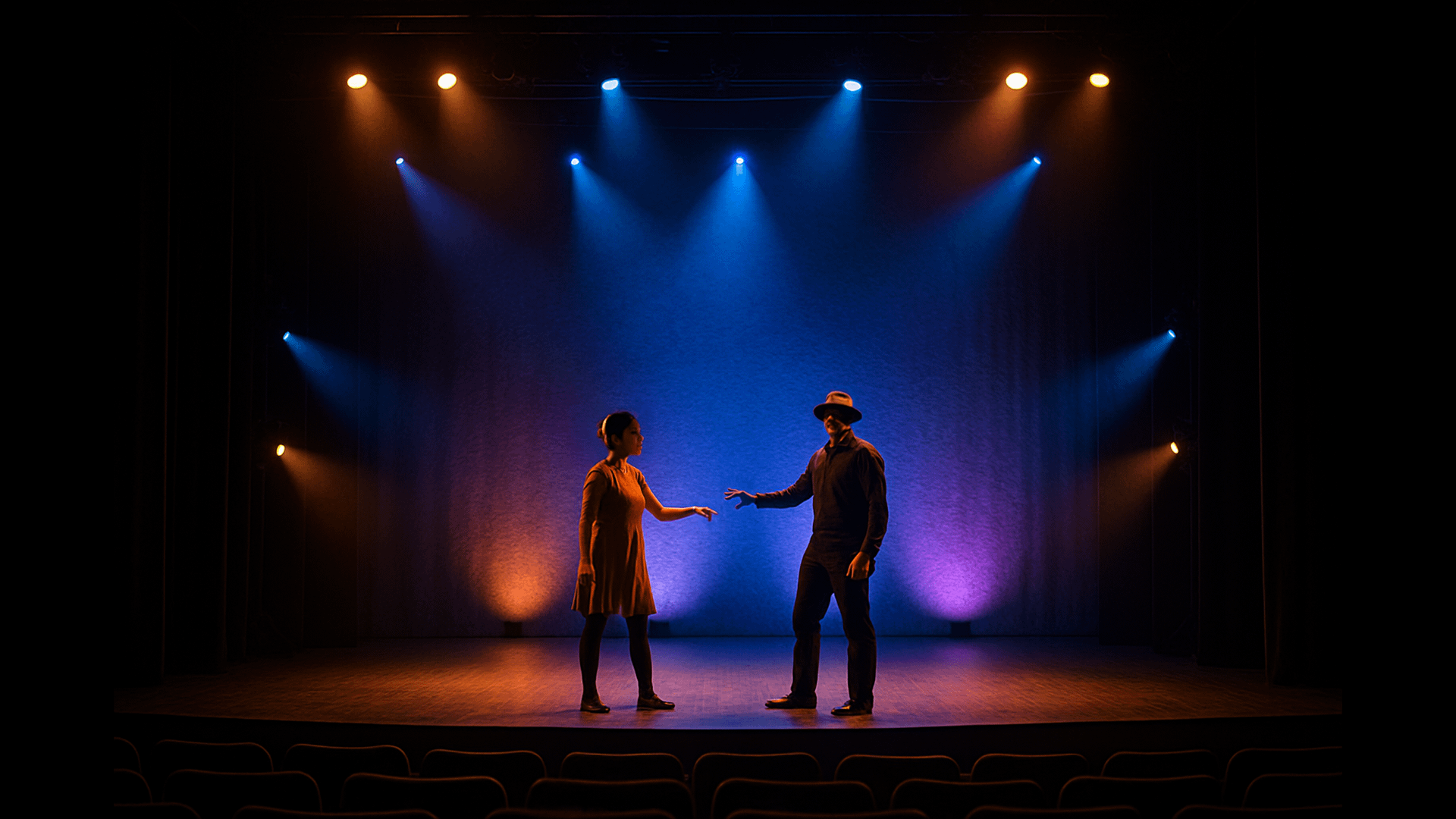
Lighting isn’t just about making sure people can see the stage — it’s part of the storytelling. In a small theatre, community playhouse, or any intimate performance space, the right lighting can completely change how an audience experiences a show. And the best part? You don’t need Broadway’s budget to pull it off.
Chauvet Pro's Ovation Series brings the kind of lighting quality you’d expect on a big stage into smaller venues, combining professional performance with practical design.Designed with smaller venues in mind, these fixtures are also straightforward to set up — you and your team can handle the installation on your own without needing a full production crew. Here’s how to make it work for your space and bring your productions to life.
Why does lighting matter so much in small theatre’s?
In a smaller space, your audience is closer to the performers; every detail counts. Lighting doesn’t just make the actors visible; it sets the tone, guides the story, and shapes the way each moment feels.
What types of theatre lighting should I know about?
Let’s break down the essentials in a way that’s easy to understand, even if you’re new to lighting design.
What is house lighting, and does it really matter?
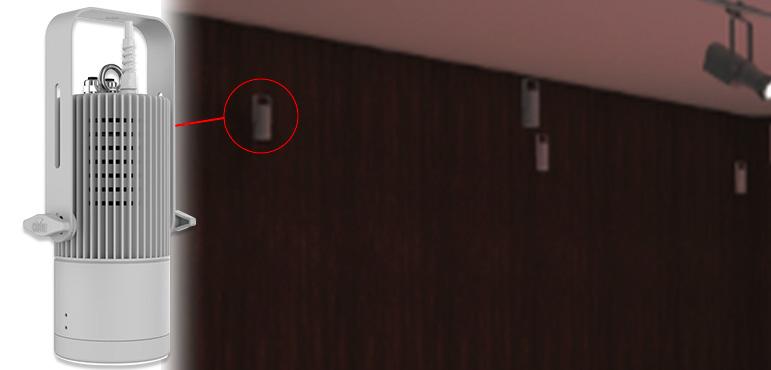
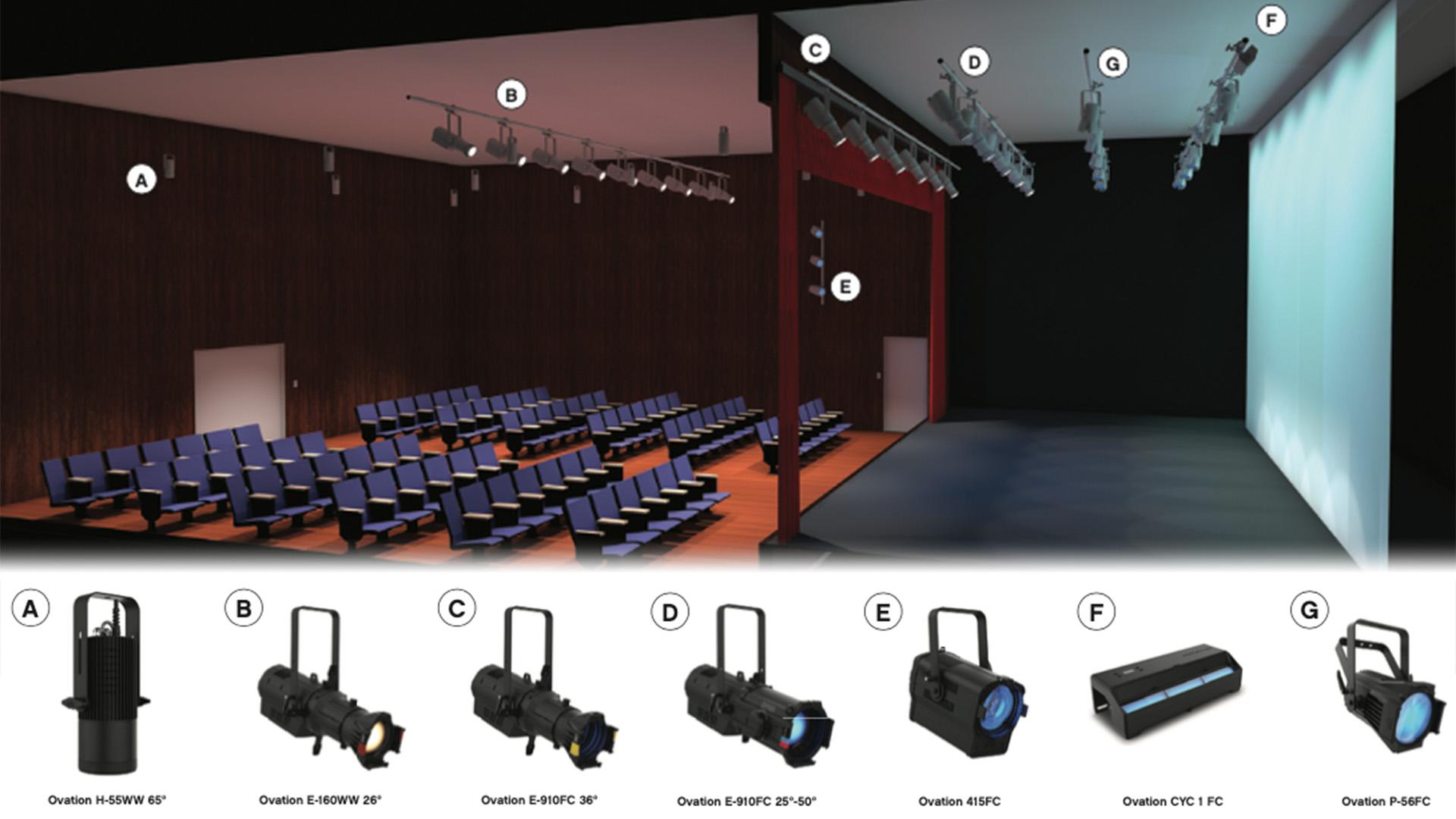
House lighting is the general lighting above the audience. It sets the mood before the show even starts. Dimmable fixtures like the Chauvet Pro Ovation H-55WW let you change brightness and color smoothly, so you can go from pre-show ambiance to performance mode without it feeling jarring.
 Mount house lights so they can be accessed easily for lamp changes or adjustments. If your venue doesn’t have a catwalk, consider fixtures that can be controlled remotely to cut down on ladder work.
How should I light the subject from the front?
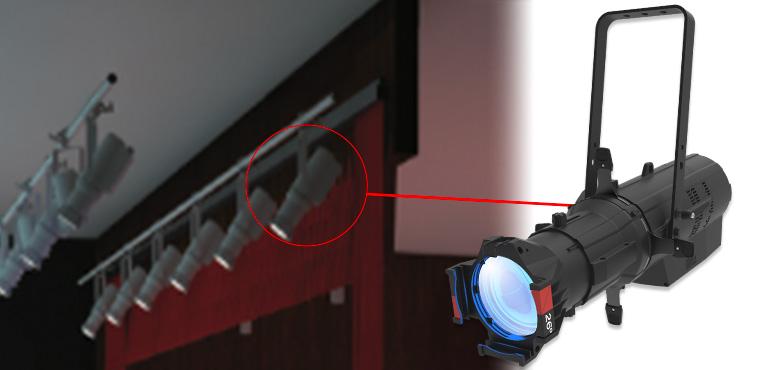
Front lighting is your main subject spotlight. This is what makes sure faces and actions are clear. Ellipsoidals like the Chauvet Pro Ovation E-910FC are great for this. Place them at about a 30–45° angle for natural depth without flattening expressions. These fixtures have different lenses that fit to the “engine” or main fixture. The lenses control the beam angles may be different depending upon your angles or distance.
Keep your fixtures consistent in height and angle across the front row. Using a simple paper template or laser pointer during setup makes alignment quicker and cleaner.
Why use side lighting at all?
Side lighting, like the Chauvet Pro Ovation F-415FC, makes movement pop, think dance, fight scenes, or moments with big gestures. Ovation fixtures placed in the wings help bring out the performers’ form and add visual energy.
Place side lights high enough to avoid blinding actors but low enough to shape their bodies. If space is tight, use floor mounts or vertical pipes (booms) to layer angles without crowding the wings.


What’s the purpose of fill lighting?
Sometimes front and side lights can create harsh shadows. That’s where soft or fill lighting, like the Chauvet Pro Ovation P-56FC comes in. It evens out the lighting and helps make close-up, emotional scenes more flattering. You can soften ellipsoidals with diffusion filters to get that smooth, cinematic look.
Keep fill lights on adjustable stands or use fixtures with wide beam spreads. This makes it easier to dial in just the right amount of softness for each scene.
What about lighting the backdrop?
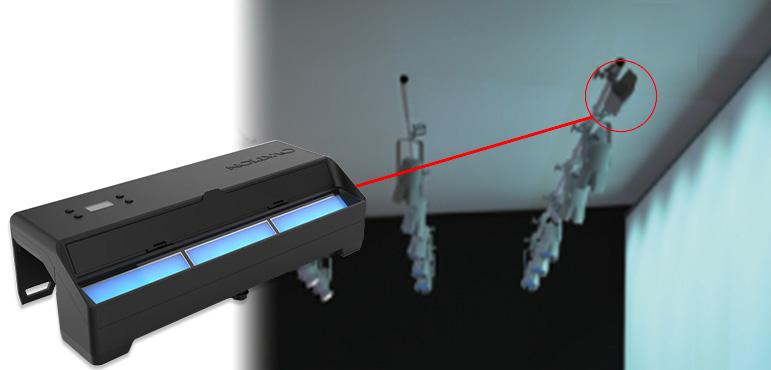
To light the back wall or a cyclorama, you’ll want cyc lighting. It’s especially useful for creating mood changes or scene transitions with color. A fixture like the Chauvet Pro Ovation CYC 1 FC is compact yet powerful — ideal for small venues looking for big visual impact.
Space cyc lights evenly along the bottom or top of the backdrop, overlapping beams slightly. This avoids dark spots and ensures smooth color washes.
Is backlighting worth adding?
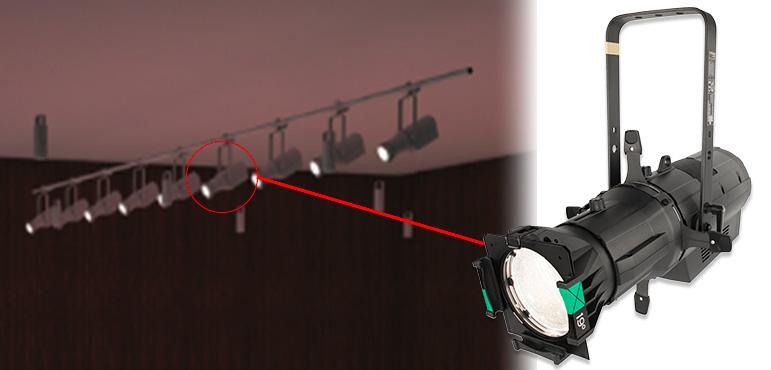
Absolutely. Downlighting and backlighting help define space and silhouette. Downlights can highlight key blocking or entrances, while backlights separate actors from the background. Pair something like the Chauvet Pro Ovation E-160WW with a top rig and you’ve got dramatic results without the clutter.
When hanging backlights, mark each fixture position on your rig so you can rehang them consistently for every show. A consistent grid keeps blocking and cues reliable for directors and performers.
How do I design a lighting plan for a small theatre?
Start with a walkthrough of your space. Ask yourself:
- What’s the ceiling height?
- Where can I hang or mount fixtures?
- These lighting fixtures will require power suitable to handle multiple fixtures. Consult an electrician once you have chosen your fixture package.
Once you understand your layout, divide the stage into zones; front, middle, back, and cyc (the rear wall). Then sketch a simple lighting plot showing where each fixture goes. Even a hand-drawn version helps you visualize how light will move across the stage.
Why the Chauvet Pro Ovation Series works so well for small venues.
In smaller spaces, you need lighting that’s powerful but quiet, flexible but easy to run. The Ovation Series nails it:
- Many models run fanless, so you won’t hear them in quiet scenes.
- Built-in color mixing means no more swapping gels.
- Works with both DMX and manual controls.
- Scales with your needs — start small, expand later.
Bottom line: You get pro-grade results without overcomplicating your setup.
How will I control the lighting?
There are many considerations and choices for controlling stage lighting.
Small stage? No problem. With a solid plan and reliable fixtures like the Chauvet Pro Ovation Series, you can make every show look and feel bigger than the space it’s in, without blowing your budget.
If you’re ready to design your rig or need advice on your next lighting upgrade, we’re here to help. Whether you’re setting up for your first show or revamping an existing setup, we’ll help match your vision to the right gear.

Request a Free Consultation With an Event Gear Expert
Avg. Response Time: Under 1 Business Day